
Injectable Treatment
Today’s cosmetic surgeons offer a wide array of methods and materials to restore a smooth and youthful appearance to aging skin. Injectable treatments are one of the most popular methods.
And fat is one of the most widely used materials.fat helps reduce or eliminate wrinkles. Fat comes from the patient’s own body, so there’s no chance of an allergic reaction. And fat can be used in higher volumes than most other injectable materials. This means that, instead of merely eliminating aging lines and crow’s feet, fat injections can provide a fuller, more youthful face with high contours and smooth skin. Injections of fat into the deep layers of facial tissue can virtually eliminate the angular, thin appearance that often accompanies age.
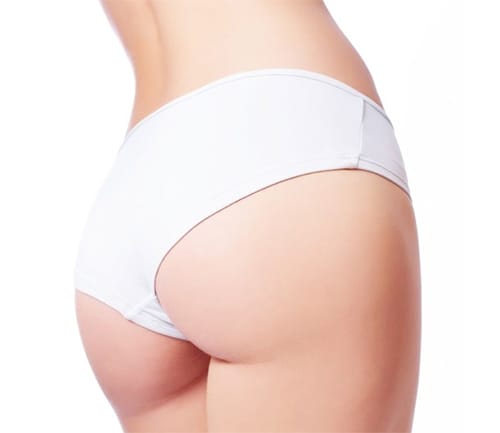
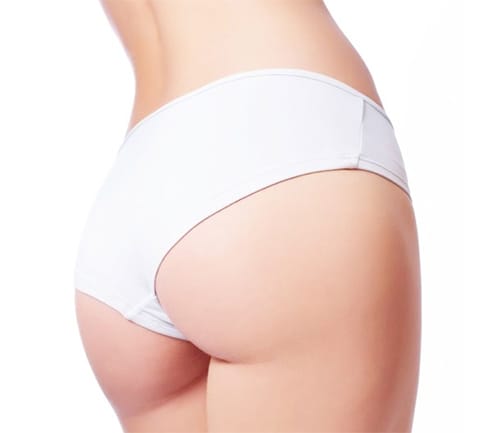
Filler is one choice of injectable material. It can provide a fuller, more youthful face with high contours and smooth skin and can provide a smooth ,fully contour breast and/or buttock. Injections of filler into the deep layers of facial tissue, breast or buttock can virtually eliminate the angular, thin appearance that often accompanies age.
Types of Dermal Fillers:
Several classes of dermal fillers are marketed in the world today. They include: collagen based fillers (i.e. Zyplast and Cosmoderm), hyaluronic acid based fillers (i.e. Restylane and Hylaform), calcium hydroxyl apatite fillers such as Radiesse ,and polyacrylamide such as Aquamid , Hydrogel. Moreover, promising dermal fillers are in development that will offer superior capabilities in the future.
The ideal dermal filler should be easy to administer, provide reproducible cosmetic results, remain in the dermis for a significant period of time, and have a superior safety profile. Injection of fillers usually requires the use of either a topical numbing cream or a local injection of numbing medication. Then, using a small needle, the dermal filler is injected into each wrinkle or scar that requires treatment. Some mild burning and stinging is normal and quickly resolves.
The results can last from three months to five years, depending on the filler being used. Collagen provides the shortest duration with effects lasting anywhere from three to six months. Restylane tends to last a bit longer with effects lasting from six months to one year. Radiesse can provide results that last greater than 3 years. Aquamid and Hydrogel can long lasting result that more than 5 years.
Side effects are uncommon but can include limited allergic reactions (hypersensitivity), ulceration, reactivation of herpes infection, bacterial infection, localized bruising, and granuloma formation.
AQUAMID and HYDROGEL is a polyacrylamide, making it a dynamic implant with a constant exchange of water molecules between the gel and surrounding tissue. It is non-immunogenic, non-allergenic, atoxic, biocompatible, long-lasting, immediate in effect and simple to use.
Studies have shown that it is an ideal treatment for those patients whose noses do not require extensive remodeling.
Polyacrylamide is a long-lasting filler. It is a revolutionary product on the world market and has been thoroughly tested over 10 years on more than 100,000 patients. Clinical trials in Europe have proved that any side effects are few and harmless. At first, the treated area may be a little swollen, but this usually subsides spontaneously after one or two days.
Polyacrylamide is injected under the skin as a soft filler with a fine needle. Together with the doctor you can decide, in front of the mirror, what the final cosmetic result should be. It is performed in the doctor's rooms with hardly any discomfort and no down time. After the injection you can go home or back to work immediately.
Polyacrylamide is a non re-absorbable, long-lasting product for facial and body correction. It does not become hard once injected and does not migrate from the point of injection. Scientific research has shown that the gel will stay in its place unchanged for a least10 years and there is no reason to expect any change after this period. The cosmetic result is satisfying for both you and the doctor and the procedure does not have to be repeated once the desired result is achieved. In 80% of cases this is after one or two procedures. Progressive ageing of the skin does continue and if required, Polyacrylamide extra can be injected as necessary.
The Best Candidates for Injectable Treatment
• Individuals with scarring, sagging or wrinkling on the face ,Small breast and/or small buttock
• Missing some of the youthful plumpness or high contours on the face and body (breast, hip and buttock)
• In good physical health
• Psychologically stable
• Wanting to improve their appearance
• Realistic in their expectations
• Aware of their options
Type of Anesthesia
The amount of pain during any cosmetic surgery varies from patient to patient. However, the discomfort associated with injectables is normally relatively mild. In many cases, fat or filler injections are performed with local anesthesia and/or sedatives. This may be somewhat painful to patients, depending on the site of injection. For instance, the area of skin around the lips is one of the more sensitive parts of the body. Injections performed on the cheek, chin, eye, breast or buttock area are usually less painful. If you are particularly concerned about this issue, be sure to discuss it with your doctor prior to the day of the procedure.
The Surgery
A fat-injection procedure is a two-step process. Frist,the fat must be harvested from somewhere on your own body ,typically from the abdomen or hips. After it is extracted, it is packed into a large syringe to accommodate its granular nature. Next, fat will be injected deeply into desired area.
Because fat is a bit larger than other injectable materials, it is almost always injected more deeply into the skin. Volumes of up to 50-100 cc can be used to over the entire face. The injected fat plumps and tightens the skin, thereby decreasing (and in some cases eliminating) wrinkles, scars and lines from sagging skin.
Fortunately, a filler injection procedure is not major procedure too but only one step process. It can be injected through very small incision, 1- 5 mm, mostly injected under skin of face, breast and buttock.
After the Surgery
Most people experience some swelling and redness for the first 24-48 hours. Itching and mild discomfort is not uncommon. Recovery time will depend on the extent of the procedure. When larger amounts of fat are injected into the face, swelling may last several days to several weeks. Prior to your surgery, you should ask your doctor what he/she considers to be a reasonable amount of time for healing in your particular case.